Table of Contents
All-on-4® implants vs traditional implants — if you’re weighing your options, you’re not alone. Honestly, this decision can feel overwhelming, especially when you’re already dealing with missing teeth and everything that comes with that. Confidence. Chewing. Smiling. All of it.
So let’s talk. Not in a robotic, medical way — but like two people sitting across the table, trying to figure out the best next step for your health and your life.
Because the truth is, both options can be life-changing, but the right one for you depends on a handful of things: how many teeth you’re missing, your bone structure, your budget, and what you want your day-to-day life to feel like.
What Are Traditional Dental Implants?
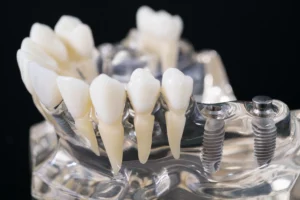
Traditional implants are kind of the gold standard — the classic option. They’re small titanium posts placed directly into your jawbone. Each one replaces a single tooth or supports a bridge or denture.
You usually need one implant per missing tooth unless you’re supporting something like a bridge. And healing can take a while — we’re talking 3 to 6 months before the final crown or bridge is placed. But the result? A super sturdy, natural-looking tooth that feels like it’s always been there.
Pros of traditional implants:
- Strong, permanent replacement
- Feels and functions like a natural tooth
- Great for replacing one or a few teeth
Cons:
- Multiple surgeries (especially if you’re replacing many teeth)
- Requires more time to heal
- Can be expensive when many teeth are missing
What Are All-on-4® Implants?
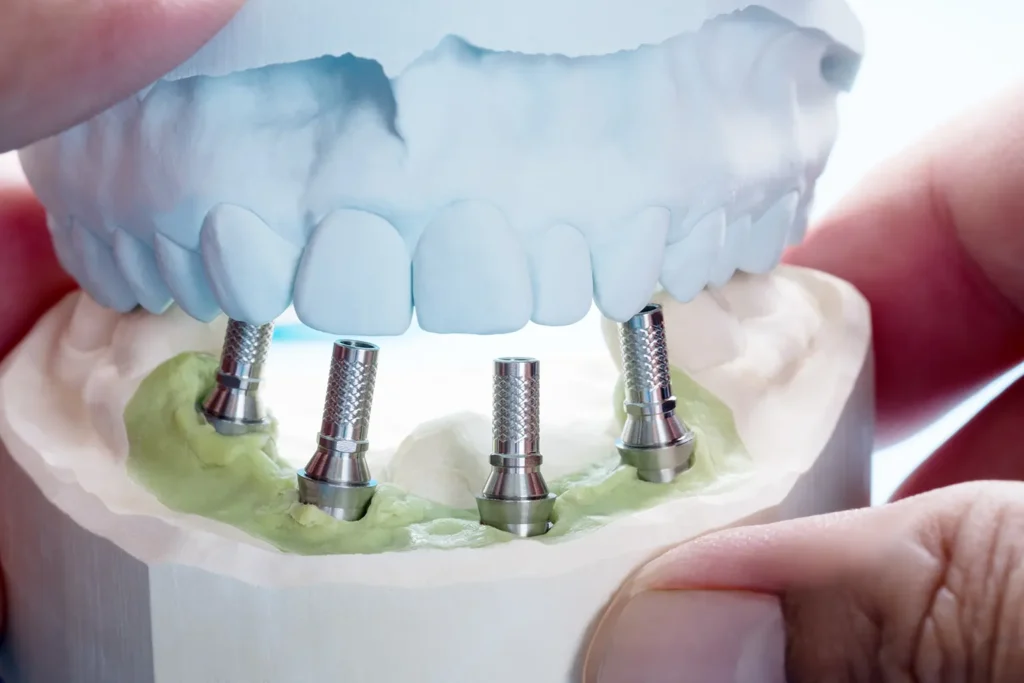
Now, All-on-4® implants flip the script. Instead of placing one implant for every missing tooth, this system uses just four strategically placed implants per arch (upper or lower jaw) to support a full set of teeth.
Here’s the magic: it’s designed so that even people with some bone loss can still be candidates (which isn’t always the case with traditional implants). And in many cases, you leave with a full arch of teeth the same day the implants go in. That’s huge.
Pros of All-on-4®:
- Fewer implants needed
- Faster treatment timeline
- Immediate results in many cases
- Cost-effective for full-mouth restoration
- Great for people with some bone loss
Cons:
- Not ideal for those only missing a few teeth
- Requires proper placement by an experienced provider (like our team)
All-on-4® implants vs traditional implants: Which One’s Right for You?
That depends on your goals. If you’re only missing one or two teeth and want a long-lasting, natural feel traditional implants might be your move. But if you’re looking at a bigger solution (like replacing most or all of your teeth), All-on-4® implants offer a faster, more streamlined path to a full smile.
Here’s what I always tell patients: think about how you want to feel. Do you want to wake up and bite into an apple without worrying? Smile without covering your mouth? Be done with loose dentures for good?
Let’s figure out what gives you that life.
What About Cost?
This one’s tough because prices vary based on your situation, but here’s a general idea:
- Traditional implants (single tooth): $3,000–$6,000 per implant
- All-on-4® full arch: $15,000–$30,000+
It sounds like a lot. But keep in mind, these are long-term solutions. And we work with patients every day to create payment plans that fit real budgets.
Real Talk: What to Expect
Both procedures involve some healing time. Traditional implants take longer, and you’re usually wearing a temporary crown or denture during that process. With All-on-4®, many patients walk out with a brand-new set of teeth the same day. That doesn’t mean you’re totally done — but the emotional boost? It’s real.
Whichever path you choose, we’re in it with you. From the first consultation to the day you bite into a steak or grin in a photo without hesitation, that’s what we’re here for.
Still Not Sure What to Choose?
It’s okay not to know. You’re not supposed to be the expert, we are. And we’ll walk you through it without pressure or jargon.
Come see us at Montana Center for Implants and Dentures. We’ll sit down, talk through your options, look at your smile, your X-rays, and your goals — and build a plan that actually works for you.
Because this is about more than teeth. It’s about feeling whole again.