Table of Contents
Bone grafting for dental implants sounds intense. Like something out of a sci-fi show. But if your dentist has mentioned it, or you’re researching dental implants and wondering what this step is all about, you’re not alone. And no, it’s not as scary as it sounds.
So let’s walk through it together.
First, why would someone need a bone graft?
Here’s the thing. When you lose a tooth, your jawbone starts to shrink. It’s not immediate, but over time, without something like a root to stimulate the bone (like a natural tooth or implant), the body decides it’s not needed there anymore. That area of the jaw? It quietly begins to dissolve.
So if you’ve been missing teeth for a while or if you’ve worn dentures that don’t put pressure on the bone—there’s a good chance your jawbone isn’t as strong or full as it used to be. That’s where bone grafting comes in.
Think of it like laying a foundation
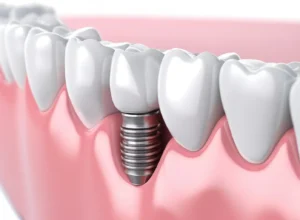
You wouldn’t build a house on soft, sinking ground. Same with dental implants—they need a solid foundation to stay strong and last a lifetime.
Bone grafting adds volume and strength to your jaw so the implants have something sturdy to anchor into. It’s kind of like patching up the soil before planting something that’s going to grow deep roots.
And the cool part? Your body actually uses that grafted bone as a framework to grow new, healthy bone around it.
What is bone grafting for dental implants, exactly?
Here’s the simple version: during the procedure, Dr. Muir and Dr. Townsend places bone material (often from a donor or synthetic) into the area where your jawbone needs a boost. Over time, your body begins to regenerate bone in that area naturally.
Sometimes it’s a small graft done at the same time as your dental implant placement. Other times, it needs to be done in advance and heal for a few months before implants go in. It really depends on how much bone loss there is and how soon you want to move forward with treatment.
What does the process feel like?
Okay, honest talk. Is it uncomfortable? A little. But it’s totally manageable.
Most patients are surprised by how smooth the recovery is. You might have some swelling or tenderness for a few days, but we’ll walk you through pain management and aftercare so nothing catches you off guard. At Montana Center for Implants and Dentures, we’ve helped so many people through this—every step of the way.
If you’re anxious about procedures (and who isn’t?), we also offer sedation options to help you feel totally at ease.
Is bone grafting always necessary?
Nope! That’s a common myth. Not everyone who gets dental implants needs a bone graft. If your bone is still healthy and thick enough, you can often go straight to implant placement. But if there’s been significant bone loss—or if we’re doing something like a full arch implant (All-on-4® or similar)—a graft might be needed to ensure the best results.
The good news? We’ll take detailed scans of your jaw and walk you through your options. You’ll never be left guessing.
The long-term payoff is huge
Here’s why people go through bone grafting—even if it takes a little longer and adds an extra step.
Because once the implant is in, and the bone is strong, that tooth? It’s stable. It looks real. It feels like your own. You can chew steak, bite into apples, and smile without a second thought.
And maybe most important of all? That jawbone doesn’t shrink anymore. The implant keeps it alive. You’re not just replacing a tooth—you’re preserving your face structure and your confidence.
Real results from real people in Billings
We’ve seen this change lives. A patient who came in thinking they’d have to settle for loose dentures left months later with secure, beautiful implants and zero regrets about the bone grafting step.
Honestly, if it gets you closer to a strong, healthy smile that actually works the way it’s supposed to that’s a win in our book.
Thinking about dental implants, but worried about bone loss?
You’re not alone. And you don’t have to figure this out by yourself.
At Montana Center for Implants and Dentures, we’re here to look at your unique situation and help you make the best call. Bone grafting for dental implants might sound like a big step, but it’s just one part of the journey—and we’ll guide you through it with care and honesty.
Schedule your consultation today.
Let’s talk about your smile, your goals, and what’s possible—together.